Stamped Concrete Help for Your New Patio or Walkway
Request an estimate and compare quotes
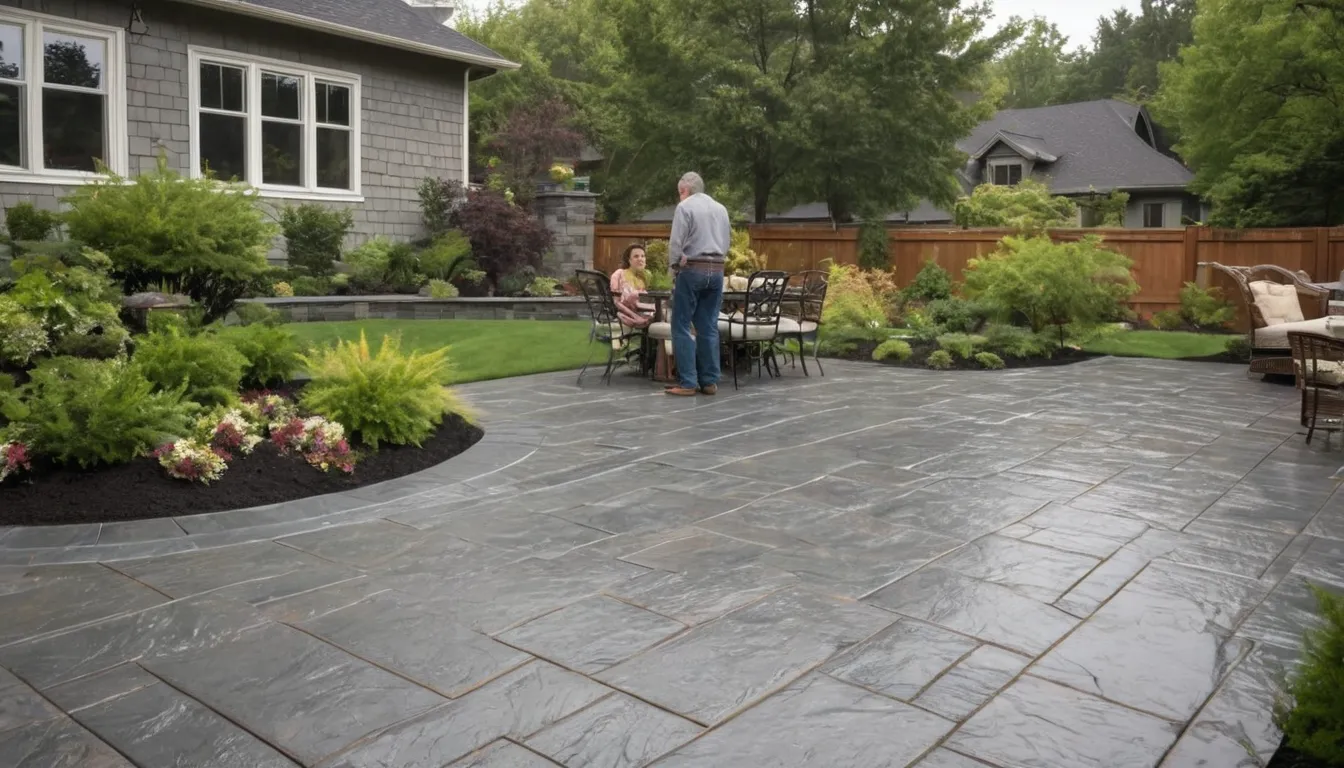
Stamped concrete can turn a plain slab into something that looks like stone, brick or wood. It is also a choice with many moving parts, and it is natural to feel unsure about patterns, colors, cost and who to trust with the work.
Earnedfeel Concrete is a referral service for homeowners in the Seattle area. We do not pour or stamp anything ourselves. We connect you with independent local providers in our network, so you can see quotes side by side, ask your questions and decide without pressure. This page walks you through how stamped concrete works, what to ask and what to expect.
Not Sure About Stamped Concrete? Start Here
It is fine to feel unsure. The finish looks lovely in photos. It also costs more than a plain slab, and mistakes are hard to undo. Slow down. You do not have to decide today.
Earnedfeel Concrete is a referral service. We do not pour or stamp anything. We connect homeowners in the Seattle area with independent local providers in our network, so you can see quotes side by side.
What You Are Really Buying
Stamped concrete is a regular slab with a pattern pressed into the top while it is still soft. Color is added so it can look like stone, brick, slate or wood. It is a kind of concrete flatwork, just with more steps and more skill. You pay for the finish, but also for what lies under it.
How the Pattern Gets Into the Slab
Here is the usual order of work:
- Forms are set and the base is packed firm.
- Concrete is poured and leveled.
- Color is worked into or onto the surface.
- A release powder keeps the stamps from sticking.
- Mats are pressed in by hand, then joints are cut.
- A sealer goes on after the slab has cured.
Each step has a short window. That is why experience matters.
Why the Ground Comes First
Pretty patterns cannot fix a weak base. Wood-frame homes with crawl spaces often sit on soil that holds water. A provider should check slope, drainage and the base layer before any pour. Water should run away from the house, not toward it.
Seeing cracks along a wall or settling near the foundation? Talk to foundation repair experts first. Stamping belongs on ground and structure that are already sound.
Wet Weather and Timing
A long wet season makes timing a real issue. Rain on fresh concrete can ruin the surface. Providers often wait for a dry stretch, so ask how they plan around the forecast. Windstorms matter too, since blowing debris can mark a soft slab. Many providers can respond quickly to schedule a visit, but the pour itself waits for good weather.
Compare, Then Decide
Ask two or three providers for written estimates. Lay them out together. Look at what is included, not just the total. A smaller number may leave out base work, sealer or cleanup. Take your time. There is no obligation to say yes to anyone.
Questions to Ask Each Provider
- Can I see pattern and color samples in daylight?
- How deep is the base, and how will water drain?
- Which sealer is used, and how often should it be redone?
- Where will the control joints go?
- What happens if weather delays the pour?
- Can I see photos of similar finished work?
Patterns and Colors That Hold Up
Stone and slate patterns are popular and hide wear well. Brick suits older craftsman houses. Wood plank looks right beside newer townhomes with clean lines. Earth tones such as warm gray, tan and charcoal blend with damp green yards. Very light colors show moss and dirt fast. Very dark colors show dust and water spots.
Where Stamping Works Well
Patios, walkways, pool decks, porch landings and garden paths all suit stamped concrete. It shines on wide areas where plain gray would look flat. Slick spots are a worry in wet weather, so ask about a slip-resistant sealer for any area that stays damp.
When Another Fix Comes First
This page is about new stamped work. Sinking slabs, wall cracks or the need for concrete driveway repair are different jobs. Settling next to the house may call for foundation repair experts. Sort that out first, so a new surface is not stamped over a problem.
Stamped Concrete vs. Pavers
Pavers are single stones set on sand. Stamped concrete is one solid slab. A stamped patio has fewer joints, so weeds and moss have less room to grow. Pavers can be lifted and reset if one spot sinks. A stamped slab may crack, and patches are hard to color-match. Neither is right for everyone. Ask providers to price both if you are torn.
How Long the Job Takes
Most patios take several days of work spread over a couple of weeks. Prep and forms come first. The pour and stamping happen in one day. Then the slab needs time to cure before sealing and before furniture goes on. Weather can stretch the plan, so ask each provider for a simple written schedule.
Caring for the Surface
Sweep often and rinse with a hose. Use mild soap, not harsh acids. Reseal every few years, as your provider advises. Put trays under heavy pots. Skip deicing salts and rough metal shovels.
Keeping Moss and Damp in Check
Shady, damp corners grow moss fast. Wash it off gently before it turns slick. Trim back plants that hold water against the slab. Clear gutters so runoff does not pool on the patio.
Protecting Your Home's Value
A well-made patio helps a home feel finished. Buyers notice clean edges, even color and good drainage. A rushed one raises questions at resale. Keep your written quote, the sealer name and the care notes in one folder. Pour it right, and the paperwork helps later too.
Choosing a Provider You Trust
Look for clear written quotes, local references and a willingness to explain each step. Ask about insurance and any license your area requires, and ask to see proof. Earnedfeel Concrete cannot vouch for any provider, so check for yourself. A calm, patient answer is a good sign. Pressure to sign today is not.
Ready for the Next Step?
Compare, then decide. Request a callback to check provider availability in your area, or send a request for estimates. Either way, there is no obligation.
What's Included
Pattern Choices
Providers can show stone, slate, brick and wood looks so you can picture them at your home.
Base and Drainage Review
A good provider checks slope, soil and the base layer so water moves away from the house.
Color and Sealer
Estimates should name the color method and the sealer, plus how often it needs redoing.
Written Estimates
Each quote lists the size, materials, joints and cleanup, so comparing them is simple.
Typical Stamped Concrete Costs
Prices vary by size, pattern, color and ground conditions. These are typical U.S. ranges only. Local rates differ, so always get a written quote from each provider before you decide.
| Item | Typical range | Notes |
|---|---|---|
| Basic stamped patio, per sq ft | $12 – $20 | Single color and a simple pattern |
| Detailed or multi-color work, per sq ft | $18 – $30 | More hand work and skill |
| Small patio, about 200 sq ft | $2,500 – $5,000 | Often a minimum job charge applies |
| Large patio, about 400 sq ft | $5,000 – $10,000 | Larger areas cost less per sq ft |
| Base prep and grading, per sq ft | $1 – $4 | Rises with poor soil or slopes |
| Sealer and resealing, per sq ft | $1 – $3 | Needed every few years |
How It Works
Share Your Plans
Tell us the size, the look you like and where the patio or walkway will go.
Receive Provider Contact
A local provider in the network reaches out to talk through your project.
Compare Written Estimates
Put the quotes side by side and check what each one includes.
Decide at Your Pace
Choose a provider, or wait. There is no obligation.
Why Call Earnedfeel Concrete
Compare Without Pressure
See several written quotes together and take as long as you need to decide.
Plain Answers
Questions are welcome, and simple answers help you feel sure about the choice.
Local Providers
Independent providers in the network know the wet climate and local homes.
Value Protected
Good prep and drainage help the patio last and support your home's resale.
Other Services
Need stamped concrete help in Seattle?
Tell us about your driveway or patio plan. Request an estimate and compare local providers at your own pace, with no obligation.
Stamped Concrete Help FAQ
How much does stamped concrete cost?
Typical U.S. prices run from about $12 to $30 per square foot, depending on pattern, color and site prep. Costs vary by job, so ask each provider for a written quote.
Is stamped concrete slippery when it rains?
It can be, especially in shade where moss and damp build up. Ask providers about a slip-resistant sealer or additive. Regular gentle cleaning also helps keep the surface safer in a long wet season.
Does stamped concrete crack, and can it be fixed?
Any slab can crack. Control joints guide where it happens, and good base prep lowers the risk. Patches rarely match the color perfectly, so ask the provider how they handle problems.
Get in touch
Tell us about your driveway or patio plan. Request an estimate and compare local providers at your own pace, with no obligation.
No obligation